

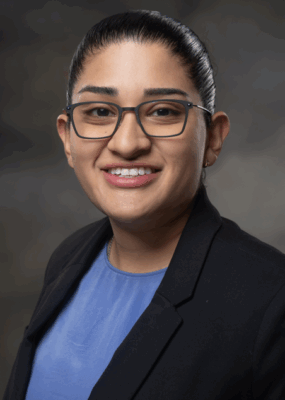
 Francisca M. Acosta, PhD, is an Assistant Professor/Researcher in the Department of Medicine, Division of Endocrinology, holds a cross-appointment in the Department of Biochemistry and Structural Biology, and is a Joint Graduate Program Faculty of the UTSA-UTHSA Graduate Program in Biomedical Engineering at UT Health San Antonio (UTHSA) in San Antonio, TX. Dr. Acosta graduated with a bachelor’s degree (B.S.) in Bioengineering from Rice University in 2015 and then went on to pursue postbaccalaureate training as part of the NIH The University of Kansas post-baccalaureate research training program (KU PREP), before coming to San Antonio to complete her doctoral degree (Ph.D.) in the Joint Biomedical Engineering Graduate program between The University of Texas at San Antonio (UTSA) and UTHSA in May 2020. She completed her Postdoc at UT Health San Antonio as an NIH NIDDK F32 Scholar in 2025. Now, as a Research Assistant Professor in the Division of Endocrinology at UT Health San Antonio, she is continuing to advance her research at the intersection of metabolism, biomedical engineering, and translational medicine. Her current work builds upon previous expertise by investigating the impact of metabolic dysregulation on musculoskeletal health and adiposity. She is also expanding her role in mentoring students and trainees, helping to guide the next generation of biomedical researchers.
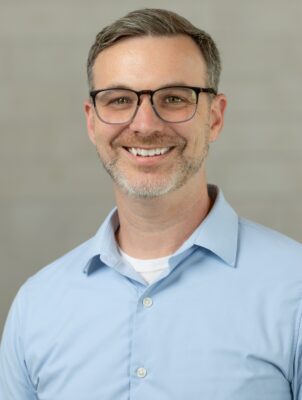
W. Michael Brode, MD, is a board-certified internal medicine physician and assistant professor at Dell Medical School. He serves as medical director of UT Health Austin’s Post-COVID-19 Program and is a practicing hospitalist at Dell Seton Medical Center. Dr. Brode’s is an educator and researcher with a focus on evidence-based diagnosis and comprehensive care for vulnerable and complex patients. Brode graduated from Loyola University of Chicago with honors in global health. He completed residency training at the University of Washington in Seattle, then served as the chief resident of global health through the University of Washington in partnership with the University of Nairobi in Naivasha, Kenya. At Dell Medical School, Brode specializes in research and clinical care for Long COVID, collaborating with researchers across UT to understand the mechanisms of this emerging illness and improve patient outcomes. During the COVID-19 pandemic, he led Dell Med’s Therapeutics and Informatics Committee, developing and operationalizing treatment guidelines for inpatient care and championing the use of informatics and digital tools to improve delivery of care. His research includes the development of AI-powered clinical decision support tools and community health worker programs to address health-related social needs.
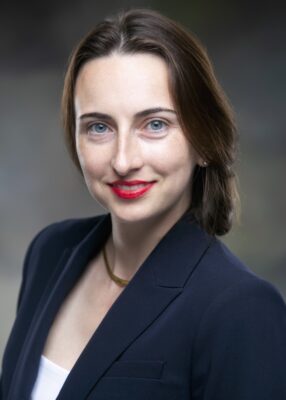
Valentina Garbarino, PhD received her degree through the UTHSCSA Integrated Biomedical Sciences program in 2018, completing her dissertation utilizing basic science models of neurodevelopment disorders. With the support of a carefully curated postdoctoral mentoring team, as well as the support of the Biology of Aging and Translational Science Training T32 programs, Valentina received basic, translational and clinical training participating in the study of repurposed therapies for the treatment of neurodegenerative diseases in both basic science animal models and clinical populations at the Glenn Biggs Institute for Alzheimer’s & Neurodegenerative Diseases. Now, as junior faculty within the Biggs Institute and the Department of Cell Systems & Anatomy, Valentina’s independent work aims to identify and evaluate minimally invasive bio-fluid biomarkers for the identification of stress-driven neurodegenerative disease risk through studies that may also provide insight into novel therapeutic targets and options.”
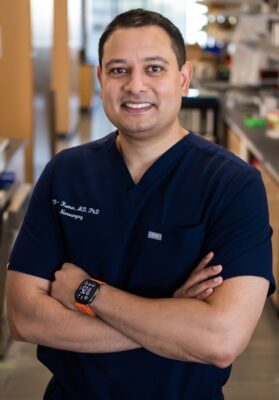
Kevin Kumar, MD, PhD, specializes in the treatment of pediatric brain and spine tumors, vascular malformations, developmental anomalies and epilepsy. He practices as a pediatric neurosurgeon at Dell Children’s Medical Center, and he is board-eligible by American Board of Neurological Surgery and American Board of Pediatric Neurological Surgery. Kumar completed his undergraduate education at Cornell University in 2009, where he graduated cum laude with Distinction in Research. He then received his M.D. (2016) and Ph.D. (2014) degrees from Vanderbilt University’s National Institutes of Health-funded Medical Scientist Training Program. He was a member of the laboratory of Aaron Bowman in the Vanderbilt Brain Institute. His dissertation focused on investigating neuronal manganese regulation Parkinson’s and Huntington’s disease using high throughput screening, induced pluripotent stem cells and chemical biology approaches. Kumar subsequently completed his neurosurgery residency at Stanford University from 2016-2023, including serving as chief resident from 2022-2023. As a UT faculty member, Kumar was selected as a NIH K12 Scholar by the National Center for Advancing Translational Sciences and as a 2025 Texas Biodesign Fellow. He is also the recipient of the 2025 Cain Collaborative Research Pilot Grant and the Department of Pediatrics Research Grant at Dell Medical School.
Mahanaz Syed, PhD, is a n Instructor in the Department of Population Health Sciences at the University of Texas Health Science Center at San Antonio (UTHSA). His work focuses on improving the quality, consistency, and usability of clinical data to support clinical research, population health, and translational science. Dr. Syed earned his doctorate in Biomedical Informatics from the University of Arkansas for Medical Sciences, where his work focused on computational approaches to improve the quality and usefulness of real-world clinical data. At UTHSA, Dr. Syed studies how information captured in electronic health records (EHRs), particularly narrative clinical documentation, can be better organized and made more accessible for research and patient-centered outcomes. His K12 research applies artificial intelligence (AI) and nationally recognized interoperability standards, including Health Level Seven (HL7®) Fast Healthcare Interoperability Resources (FHIR®), to develop scalable approaches for identifying and structuring important clinical information from EHR narratives. This work aims to enhance data quality for clinical studies, cancer registries, and a range of real-world research settings. Dr. Syed’s broader goal is to advance rigorous, data-driven clinical research by improving how health systems capture, standardize, and reuse information in support of discovery and patient care.
Curtis Bone, MD is an Assistant Professor of Family Medicine and Psychiatry, as well as a board-certified addiction medicine physician at the Be Well Institute on Substance Use and Related Disorders. He completed his medical training at Johns Hopkins School of Medicine, a Master’s degree in epidemiology at the Bloomberg School of Public Health, residency training in family medicine at UCLA, and fellowship training in addiction medicine at Yale and the West Haven VA. He has practiced clinically in Federally Qualified Health Centers, opioid treatment programs, primary care, and hospital settings, but also has a long-standing interest in health services research. The purpose of his K12 award is to enhance expertise in clinical informatics and hybrid effectiveness implementation studies. He intends to utilize this training to improve the therapeutic options and treatment opportunities for patients with substance use disorders.
 Sara Masoud, PhD, MPH is an Assistant Professor in the School of Nursing and Director of the Supporting Older Adults through Research Practice-Based Research Network (SOARNet) and the Institute for Integration of Medicine and Science. Dr. Masoud completed her PhD in Translational Science at UT Health San Antonio. She was awarded the 2023 Healthy Communities Fellowship from the Aspen Institute Global Innovators Group. During her K12 years, she will advance her area of research to address the exclusion of populations that are disproportionately impacted by dementia from research. Her study aims to utilize a community engaged approach to identify and assess cultural and contextual factors that influence perceptions of research among Arab and Arab American populations in Texas, building models of engagement that align with transformative participant-centered recruitment science frameworks.
 Shreya Rao, MD, MPH is an Assistant Professor of Medicine at UT Health Sciences Center in San Antonio. She is a board-certified cardiologist with an interest in preventive cardiology. Dr. Rao’s research focuses on exploring the social drivers of disparities in cardiovascular outcomes and identifying strategies to prevent heart disease in communities with reduced access to health care. Her current work supported by the K12 program focuses on novel phenotyping approaches to improve risk identification for future cardiovascular disease and adverse aging-related outcomes in the Hispanic community.
 Anjali Sivaramakrishnan, PhD, PT is an Assistant Professor in the Department of Physical Therapy. She has a background in physical therapy with a doctorate in rehabilitation sciences. Her research focuses on developing interventions to improve brain health and quality of life in people with Parkinson’s disease (PD). Outcomes from her research are expected to integrate into treatments for PD-specific rehabilitation. Outside of work, Anjali enjoys cooking, Zumba, travel and landscape photography.
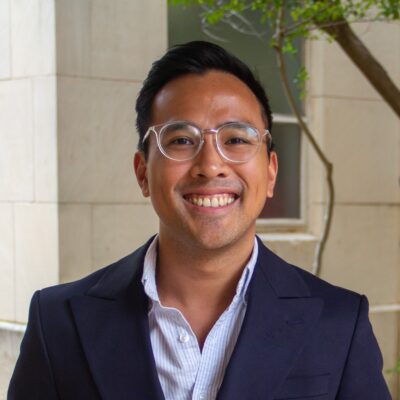 Anton Avanceña, PhD is an Assistant Professor of Health Outcomes in the College of Pharmacy and, by courtesy, of Internal Medicine in the Dell Medical School at the University of Texas at Austin. Trained in decision science and public health, Anton studies how efficiency and equity in health can be improved. He uses decision-analytic modeling, economic evaluation, and secondary data analysis, among other methodologies, to understand the value of health technologies, clinical and population-level interventions, and large-scale policies. Anton’s recent work has focused on mental and behavioral health, particularly alcohol and opioid misuse, depression, and PTSD. Anton is currently evaluating the costs, benefits, and impacts of existing treatments such as medication-assisted therapy and behavioral interventions, as well as novel treatments like psychedelic-assisted therapy. Anton also continues to do research in other clinical areas such as pediatrics, infectious diseases, and oncology.
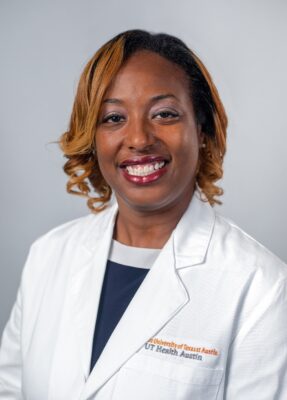 Cristal Brown, MD, MHS is an Assistant Professor of Medicine at the University of Texas at Austin Dell Medical School. She is a board-certified transplant hepatologist, managing patients with acute and chronic liver diseases. Dr. Brown’s research focus is improving the end of life experience for patients with end-stage liver disease by developing innovative interventions to address gaps in serious illness conversations throughout the trajectory of illness. Her long-term research goal is to improve the delivery of goal-concordant care to patients with advanced liver disease by increasing goals of care discussions. Her K12 project is the development of a decision aid tool to increase serious illness communication engagement for all patients with advanced liver disease with a focus on capturing those from disadvantaged populations.
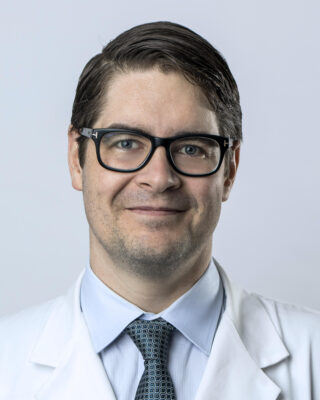 Colin Court MD, PhD is a surgical oncologist specializing in the treatment of gastrointestinal and hepatobiliary malignancies with a particular interest in the management of advanced and oligometastatic cancers. During his surgical residency at UCLA he did his doctoral research under Dr. Thomas Graeber with a dissertation focusing on bioinformatics, computational biology and machine-learning for translational biomarker development for GI cancers. He completed a complex general surgical oncology fellowship at Memorial Sloan Kettering where he continued his research studying genomic biomarkers to aid in the management of pancreatic and GI cancers. His current research focuses on utilizing single cell genomics to better understand the metastatic process in GI cancers with an emphasis on the differences in myeloid cell biology between peritoneal and liver metastases.
Darlene Bhavnani, PhD, MPH is an Assistant Professor in 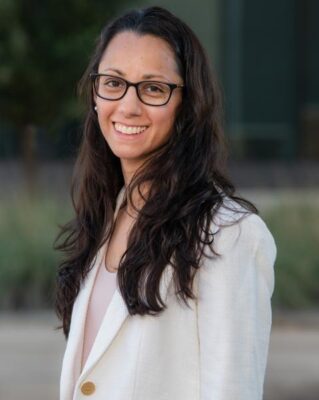 the Department of Population Health and an infectious disease epidemiologist in the Biomedical Data Science Hub at Dell Medical School. Dr. Bhavnani earned her doctorate in epidemiology and Master of Public Health from the University of Michigan. She has over 10 years of experience in global health and has worked in academic, public, and nonprofit settings in Asia and Latin America. Dr. Bhavnani’s research will focus on examining racial and ethnic disparities in asthma among children in the United States through the lens of respiratory viral infections.
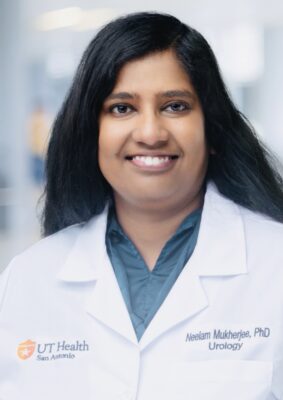 Neelam Mukherjee, PhD., Instructor, Dept. of Urology, received her bachelor’s and master’s in microbiology from University of Calcutta, India. She completed her Ph.D. in Cellular and Structural Biology in 2015 and pursued her postdoctoral training in bladder cancer immunology in the lab of Dr. Robert Svatek at UT Health San Antonio. Dr. Mukherjee is a cancer immunologist and her research interests involve the characterization of immune populations and the recruitment and activation mechanisms of these immune cells that contribute to effective anti-tumor responses. She wants to use this knowledge to improve the landscape of immunotherapy in cancer patients. During her KL2 years, Dr. Mukherjee will research chemokine signaling and effector cell mechanisms that help restrict bladder tumor growth and develop a novel immunotherapeutic strategy using a modified chemokine.
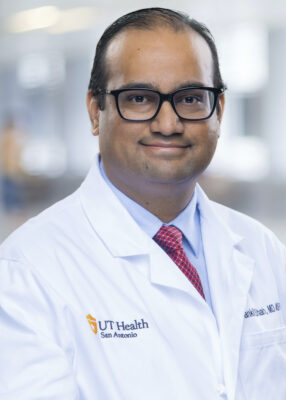 Pankil Shah, MD, PhD, CPHQ is an Assistant Professor in the Long School of Medicine, UT Heatlh San Antonio. He is an epidemiologist and data scientist focusing on utilizing big data generated from electronic medical records (EMR), omics (gene expression, microbiome, metabolome), and population-level databases, for predictive risk modeling to develop evidence-based precision medicine and public health strategies. He received medical training from Seth GS Medical College & KEM Hospital, Mumbai, India and epidemiology and biostatistics training from UTHealth Houston School of Public Health. His KL2 research focuses on development of diagnostic and prognostic algorithms using artificial intelligence (computer vision and machine learning) to predict the clinical trajectory of patients with cancer at risk of developing long-COVID (post-acute sequalae of SARS CoV-2). This analytic approach combines clinicopathologic, radiomics, and deep learning and can be applied to a broad range of risk-stratification challenges aimed to improve cancer survivorship. The project goal is to integrate the validated algorithms into EMR to facilitate clinical decision making. Dr. Shah aims to establishing an independent research program at the cross-roads of precision medicine and ML/AI with a focus on cancer survivorship.
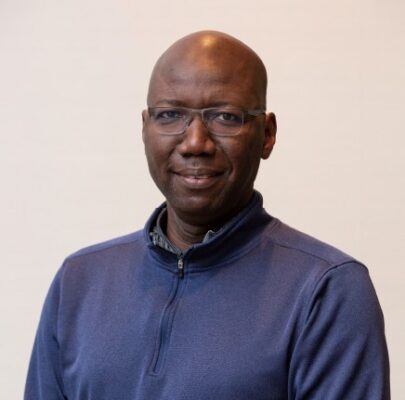 Mbemba Jabbi, PhD., is an assistant professor of the Department of Psychiatry and Behavioral Sciences at Dell Medical School. Jabbi graduated with combined Bachelor of Science and Master of Science degrees in experimental psychology and neuroanatomy from the University of Groningen, Netherlands, in 2002 and obtained a doctorate in clinical neuroscience from the University Medical Center Groningen in 2007. Prior to joining Dell Medical School, Jabbi did a Fogarty International Visiting Postdoctoral Fellowship at the U.S. National Institutes of Health in Bethesda, Maryland, from 2007 to 2011. He then completed his research fellowship at the National Institute of Mental Health in Bethesda in 2016. There, Jabbi lead the translational multicenter studies looking at how rare but penetrant genetic events influence affective processes. Jabbi’s current research applies deep behavioral phenotyping and multimodal imaging genetics to better understand the neurogenetic basis for normal and dysregulated affective functioning. His lab seeks to contribute to the integrative characterization of how genes affect brain circuitry mediation of basic and higher-order adaptive affective functions. Jabbi’s long-term goal is to further use the insights gained from these studies to guide novel strategic identification of neurogenetic biomarkers for maladaptive affective dysfunctions.
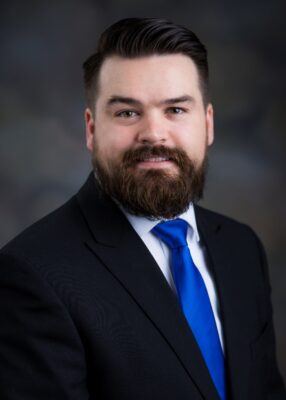 Casey Straud, PsyD, is an Assistant Professor and licensed clinical psychologist with the Department of Psychiatry and Behavioral Sciences. He also holds a joint appointment within the Department of Psychology at University of Texas at San Antonio. His research interests are on the etiology, pathology, and treatment of posttraumatic stress disorder (PTSD), and factors that impact treatment response. He completed his doctoral degree at Nova Southeastern University and his pre-doctoral internship at the Pittsburgh VA Healthcare System. He completed a two-year postdoctoral clinical research fellowship at the University of Texas Health Science Center at San Antonio in collaboration with South Texas Research Organizational Network Guiding Studies on Trauma and Resilience (STRONG STAR) and the Consortium to Alleviate PTSD (CAP). During his fellowship, he was involved in planning, conducting, analyzing, and disseminating results of randomized clinical trials of cognitive behavior therapy for combat-related PTSD. Dr. Straud will continue his line of research dedicated to PTSD treatment outcomes over the KL2 period. His research project will focus on examination of biological and pharmacological mechanisms to improve current first-line behavioral treatments for PTSD.
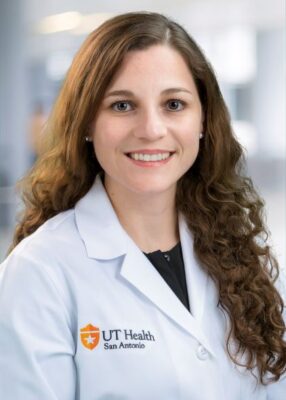 Maria “Sukie” Rayas, MD, is an Assistant Professor in the Department of Pediatrics, Division of Endocrinology and Diabetes. Dr. Rayas received her Bachelor of Science in Psychology from Washington and Lee University and completed her medical school, residency, and fellowship training at the University of Texas Health San Antonio. She was awarded the 3-year ENVISION grant by the Cystic Fibrosis Foundation in 2016 to support her career path as a cystic fibrosis (CF) endocrine specialist. Her recent research efforts have focused on evaluating the contribution of liver disease to diabetes in CF. Her KL2 research will utilize dual glucose tracers and hyperglycemic clamp methodology to identify alterations in the gut-pancreas axis in CF. Her research will also determine the effect of macronutrient composition on glucose kinetics and islet function in individuals with CF. Dr. Rayas’ overall long-term career goal is to become an independent physician-scientist whose research elucidates the pathogenesis to diabetes development in CF in an effort to improve screening, diagnosis, and treatment practices.